
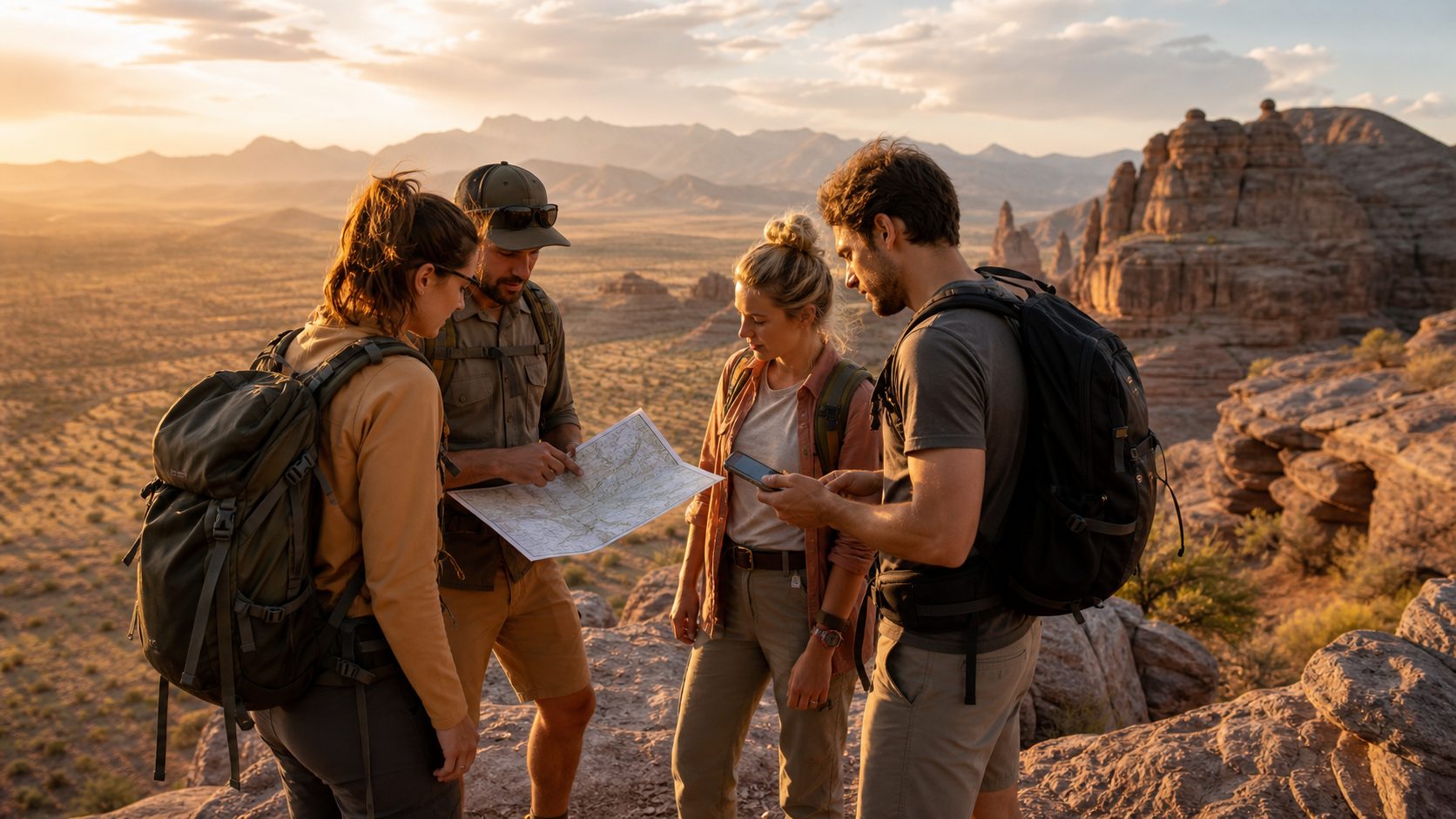
Adventure Travel Agency: How to Choose the Right One
Primary keyword: adventure travel agency
Featured snippet answer: An adventure travel agency helps travelers compare guided trips, active vacations, custom itineraries, and outdoor experiences so they can book the right trip with less guesswork. The best agency matches the travel style, pacing, budget, and support level to the traveler instead of pushing a one-size-fits-all package.
If you are comparing an adventure travel agency for your next trip, focus on the parts that actually change the experience: trip style, destination knowledge, support before booking, clarity on inclusions, and whether the agency can guide you toward a trip that fits your energy level and comfort with planning.
What an adventure travel agency should actually do
A strong adventure travel agency should do more than collect a payment and hand you a brochure. It should help you narrow the field, compare destination options, and understand the tradeoffs between a guided package, a custom itinerary, and a self-planned trip with a few expert recommendations mixed in. That matters because adventure travel is not a single product. It can mean active outdoor tours, multi-day itineraries, off-road experiences, family-friendly trips, or a premium guided escape that removes most of the planning work.
The best agencies reduce uncertainty. They explain what the trip feels like, who it fits, what is included, and what the traveler still needs to arrange on their own. That is especially important for readers who want the excitement of an active trip without the friction of researching every transfer, route, or operator from scratch.
In practical terms, the agency should help with:
- Matching the trip style to the traveler’s comfort level and budget.
- Comparing guided, custom, and packaged experiences in plain language.
- Clarifying what is included before the booking is finalized.
- Helping the traveler avoid a trip that is too intense, too casual, or too expensive for the goal.
How to compare agencies without getting lost in the marketing
Most travelers do not need more hype. They need a simple way to compare agencies before they commit. Start with the destination focus, then move into the planning model. Some agencies are better at luxury itineraries, some are stronger on active travel, and some are best when the goal is a flexible trip with a few high-value recommendations. If you skip that first filter, it is easy to end up paying for support you do not need or missing the help you actually wanted.
A useful comparison framework looks like this: the agency should be able to explain who the trip is for, what it includes, how the itinerary flows, and what the traveler should expect after booking. If those answers are vague, the booking experience usually gets harder later. If those answers are clear, the rest of the process usually feels easier too.
Use the checklist below to keep the decision grounded:
- Does the agency specialize in the type of trip you want?
- Can it explain the route, pacing, and activity level clearly?
- Are the inclusions and exclusions written in plain language?
- Does it offer planning help before and after booking?
- Can it point you to relevant related itineraries or upgrades?
Which type of traveler gets the most value from an agency
Some travelers are fine piecing together every detail themselves. Others want a shorter path to a confident booking. The second group gets the most value from an agency because they want clarity, a curated set of options, and someone to help them avoid mismatched trips. That is true whether the trip is a desert escape, a national park itinerary, an off-road adventure, or a family vacation that needs a little more structure than a simple hotel reservation.
Travelers who want a custom fit
Custom-fit travelers usually know what they want in broad strokes but do not want to spend hours comparing every operator. They benefit from an agency that can explain the differences between trip styles and recommend the one that best fits the timing, season, and destination goals.
Travelers who want less research
Many people search for help because they are short on time. For them, the best agency is one that compresses the research process without making the trip feel generic. Good advice should be specific enough to be useful, but flexible enough that the traveler still feels in control.
Travelers who want active experiences
Adventure-focused travelers often need extra detail about terrain, pace, support, and physical effort. They usually care less about glossy marketing and more about whether the experience will actually feel fun, safe, and worth the cost. An agency that understands that difference is worth much more than one that only sells broad vacation packages.
What to look for before you request travel help
The best time to evaluate an adventure travel agency is before you ask for help, not after you have already committed to a quote. At that stage, the signs are usually visible. The site should be easy to navigate, the offers should be explained in a sensible order, and the language should make the next step obvious. If a page feels like it was written to impress search engines instead of travelers, that is usually a warning sign.
Look for specifics. Good travel guidance usually includes destination notes, trip length, support level, and practical tips around what the traveler should bring or know in advance. Even if the article or landing page is meant to convert, it should still feel like a real planning resource. That is the balance this page is trying to hit for Adventure Travel Inc.
Use this quick filter:
- Trip clarity: Can you tell what the trip is and who it is for in the first few paragraphs?
- Support level: Does the agency help with planning, booking, and follow-up?
- Value framing: Are the price and inclusions easy to understand?
- Destination fit: Does the agency actually understand the type of place you want to visit?
- Conversion confidence: Is the call to action clear and low-friction?
Best trip categories to compare
An adventure travel agency should make category comparison easy. The traveler should be able to see the difference between a general outdoor trip, a more specialized active vacation, a family-friendly itinerary, and a niche off-road or guided experience without having to decode the sales copy.
Guided adventure tours
Guided tours are the best fit when the traveler wants structure and wants to keep planning to a minimum. These trips often work well for first-time visitors, busy travelers, or anyone who wants local expertise without having to research every detail independently.
Adventure vacation packages
Packages usually work best when the traveler wants convenience. They bundle the core pieces of the trip together so the user can compare one full experience against another instead of building the trip from scratch. That can be especially useful when the destination is unfamiliar or the schedule is tight.
Outdoor and active travel
Outdoor and active travel options are a strong fit for readers who care more about the experience than the hotel. These travelers usually want movement, scenery, and a sense of discovery. They also tend to appreciate clear guidance on difficulty level and trip pacing.
Off-road and destination-specific adventures
Specialized experiences like off-road tours, desert excursions, or area-specific adventure trips tend to convert well because the traveler already has a clear intent. The agency should help them choose between alternatives, then point them to the page or offer that matches the exact destination or activity.
Why internal linking matters on a page like this
Adventure travel pages work best when they are connected to a broader topic cluster. A traveler who lands on a general agency page may next want a package guide, a trip comparison article, or a more specific destination page. Internal links make that path obvious, and they also help search engines understand how the site is organized.
For Adventure Travel Inc, this page should naturally point into the rest of the content ecosystem. That means the reader can start broad, move into a more specific travel category, and then reach a destination or booking page without starting over in search results.
Recommended internal links for this page:
Questions to ask before you book
The right agency should be able to answer the traveler’s questions quickly and directly. If the answers are hard to find, that usually means the booking process will be harder too. Good planning support is visible in the details: the agency explains the itinerary, the booking flow, and the value proposition without making the traveler chase information around the site.
What exactly is included?
Ask about transfers, guide support, activity fees, gear, meals, and any destination-specific costs that are not obvious in the headline price. The goal is not to find the cheapest package. The goal is to understand the real cost.
What type of traveler is this built for?
Some trips are designed for comfort and flexibility. Others are designed for travelers who want more activity and a little less downtime. If the agency cannot define the target traveler, it is usually a sign that the offer is too broad.
How much support do I get after booking?
Support after booking can matter just as much as support before booking. Travelers often need help with timing, meeting points, packing, and weather expectations. The best agencies keep that process simple and calm.
What are the practical limits?
Good agencies explain limits honestly. That includes trip duration, physical effort, age or ability requirements when relevant, and destination realities like seasonality or access. That kind of honesty builds trust and improves conversion quality.
How this page should convert
The CTA on this page should feel helpful, not forceful. When the visitor has read enough to understand the value of using an agency, the next step should be obvious: request help, compare packages, or move into a more specific travel page. That is why this page should support both affiliate monetization and lead generation without sounding pushy.
The primary call to action is simple: Request Travel Help. That works well because it is broad enough to fit different trip goals while still pointing the traveler toward an actual next step. A secondary action can point to package comparison for readers who want to keep researching before they submit a lead.
Request Travel Help
If you want help narrowing the options, use the internal guide pages to compare trip types, then request help once you know the style of travel you want.
Helpful external references
Use the external references below to compare operators, verify travel planning advice, and cross-check the kind of support an agency should provide. The commercial benchmark is useful because it shows the style of trip curation a traveler can expect from a higher-touch travel service.
Frequently asked questions
What does an adventure travel agency do?
It helps travelers compare active trips, guided experiences, and custom itineraries so they can choose the option that fits their destination, budget, and comfort level.
How do I know if an agency is a good fit?
Look for clear trip descriptions, practical advice, transparent inclusions, and a booking process that does not leave you guessing about what happens next.
Is it better to book a package or custom trip?
Packages are usually better for convenience. Custom trips are better when the traveler has specific goals, timing, or destination preferences that do not fit a standard offer.
Why are internal links important on this page?
They help readers move from a broad agency page to a more specific trip page, which improves both user experience and topical authority.
What should I ask before requesting travel help?
Ask what is included, who the trip is designed for, how much support you get, and whether the agency can explain the itinerary in simple terms.
Can one agency handle different trip styles?
Yes, but the best agencies are usually strongest in a few trip categories rather than trying to be everything to everyone. Specialization usually improves the quality of the recommendation.
Final recommendation
If you are trying to choose the right adventure travel agency, start with the trip style, not the sales pitch. The agency that is most useful is the one that can explain the difference between the options, point you toward a trip that fits your travel style, and make the booking process feel simple enough to finish with confidence.
This page is designed to do three things well: help the visitor compare options, support internal navigation across the Adventure Travel Inc cluster, and create a clear path to lead generation. That balance is what keeps the page useful for readers and effective for search.
Primary CTA: Request Travel Help
Monetization type: Lead Generation + Affiliate Links
Schema note: This page is structured for Article and FAQPage markup, with clear headings and answer-style FAQ copy.
Leave a Reply
You must be logged in to post a comment.